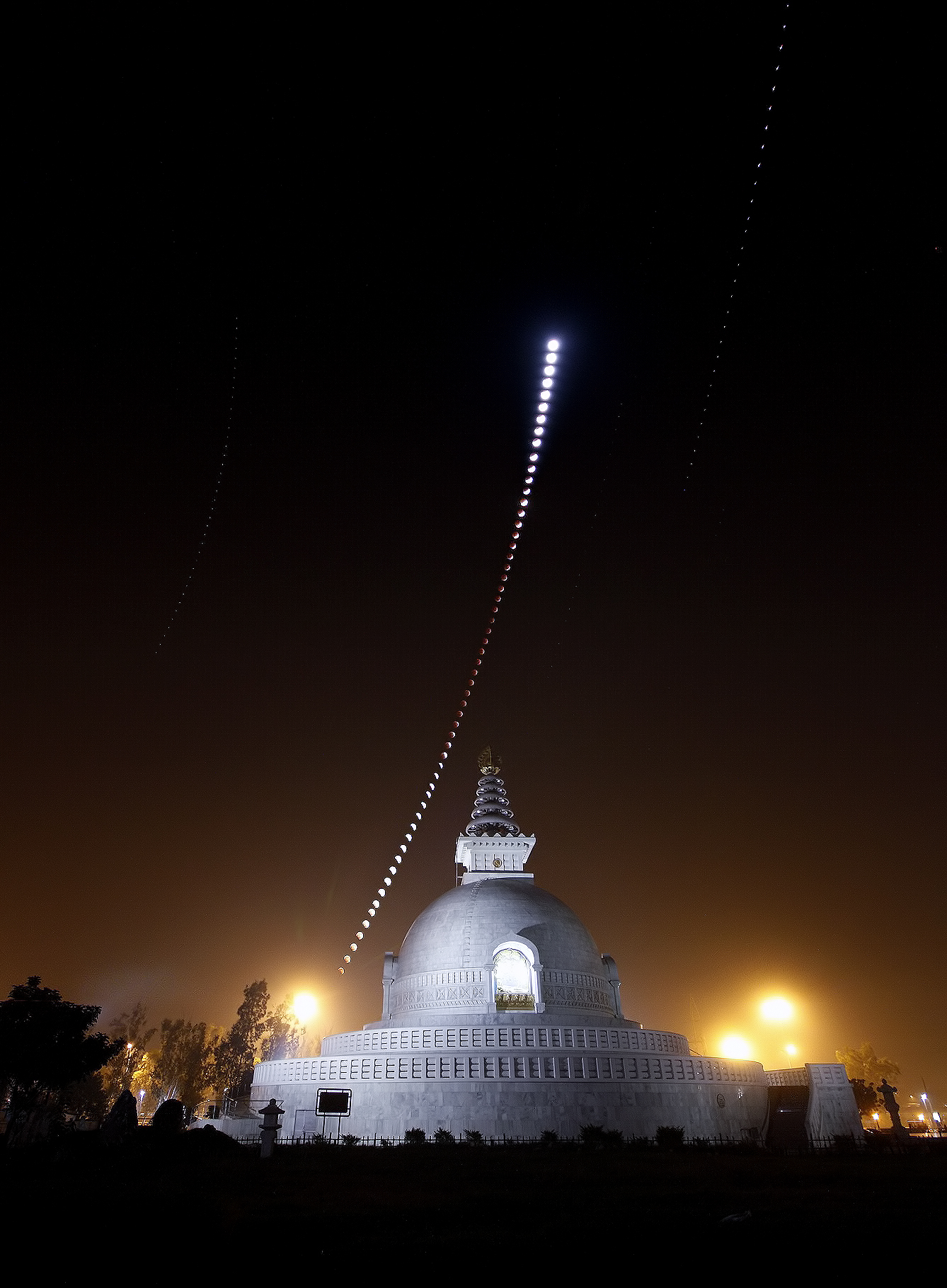
This photo is of a lunar eclipse over an Indian peace pagoda. This photo captured the moon several times during the eclipse on December 10th. The photo sequence was captured in New Delhi, India and the red tint of the moon is due to sunlight passing through Earth's atmosphere. The occurrence of a total lunar eclipse is extremely rare and the next occurs in 2014.
Tuesday, December 20, 2011
APOD 2.6
December 14th:

This photo is of a lunar eclipse over an Indian peace pagoda. This photo captured the moon several times during the eclipse on December 10th. The photo sequence was captured in New Delhi, India and the red tint of the moon is due to sunlight passing through Earth's atmosphere. The occurrence of a total lunar eclipse is extremely rare and the next occurs in 2014.
APOD 2.5
December 10th: Vesta Rocks

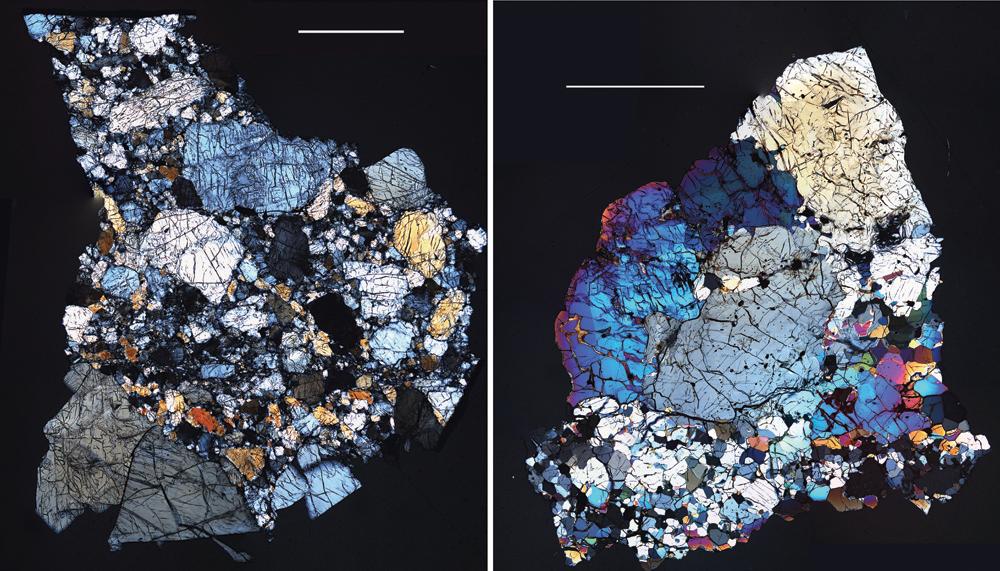
The above photos are thin slices of meteorite as viewed through a polarizing microscope. They are classified as HED's (formed from basaltic magma) and they have reflective spectra that match up with the spectra of asteroid 4 Vesta. The asteroid is currently being explored by NASA's Dawn spacecraft.
Friday, December 16, 2011
APOD 2.4
Nov. 30 : Curiosity Rover Lifts Off for Mars

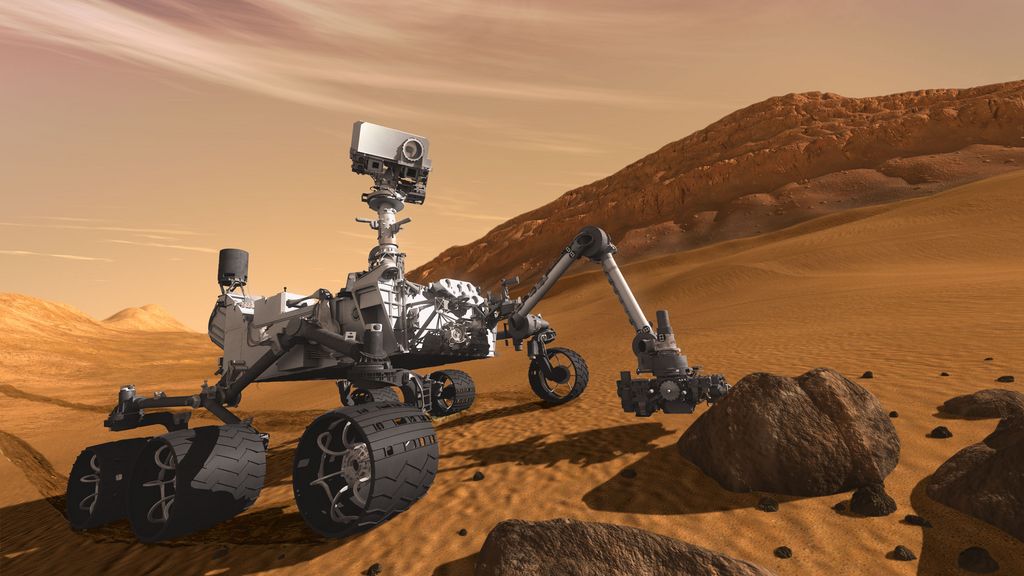
The weekend of November 26th-27th, the Mars Science Lab which carried the Curiosity Rover took off "atop an Atlas V rocket". An Atlas V rocket (built by Lockheed Martin) was the first rocket in the United States Air Force's Evolved Expendable Launch Vehicle program. The first Atlas V was launched in August 2002. The Mars Science Laboratory took off from Cape Canaveral. Curiosity is five times the size of Opportunity (another Mars rover) and looks like a small car. It is equipped with a camera, a rock crusher, and is powered by plutonium.
Curiosity:
The weekend of November 26th-27th, the Mars Science Lab which carried the Curiosity Rover took off "atop an Atlas V rocket". An Atlas V rocket (built by Lockheed Martin) was the first rocket in the United States Air Force's Evolved Expendable Launch Vehicle program. The first Atlas V was launched in August 2002. The Mars Science Laboratory took off from Cape Canaveral. Curiosity is five times the size of Opportunity (another Mars rover) and looks like a small car. It is equipped with a camera, a rock crusher, and is powered by plutonium.
Curiosity:
Friday, November 18, 2011
APOD 2.3
Orange Sun Scintillating

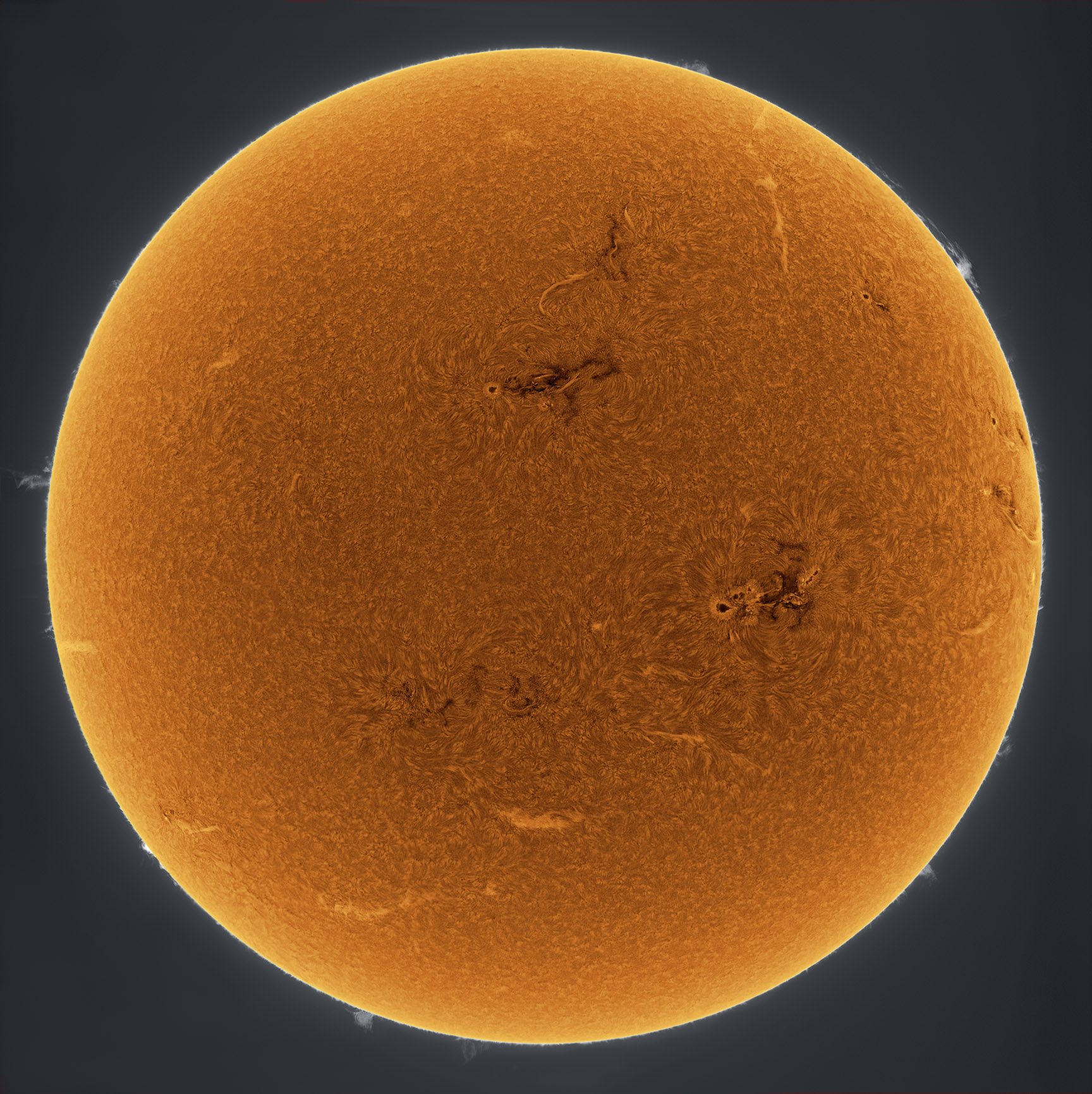
The photograph above was captured using Hydrogen Alpha(usually the brightest wavelength of light in stellar astronomy), so it is falsely colored. There are many spicules (jets with about a 500 km diameter) visible on the Sun's surface. Also in the photograph there is noticable color change along the edges of the Sun, this phenomenon is known as limb darkening and is caused by the lower temperatures at the larger heights of the Sun (hence less intense, so darker). The Sun's magnetic field is moving towards Solar Maximum, the period at which there is the greatest amount of solar activity and sun spots appear, in the next few years. This means that we can expect a busier, more complex Sun to view in the near future.
Friday, November 11, 2011
APOD 2.2
Historical Supernova Remnant

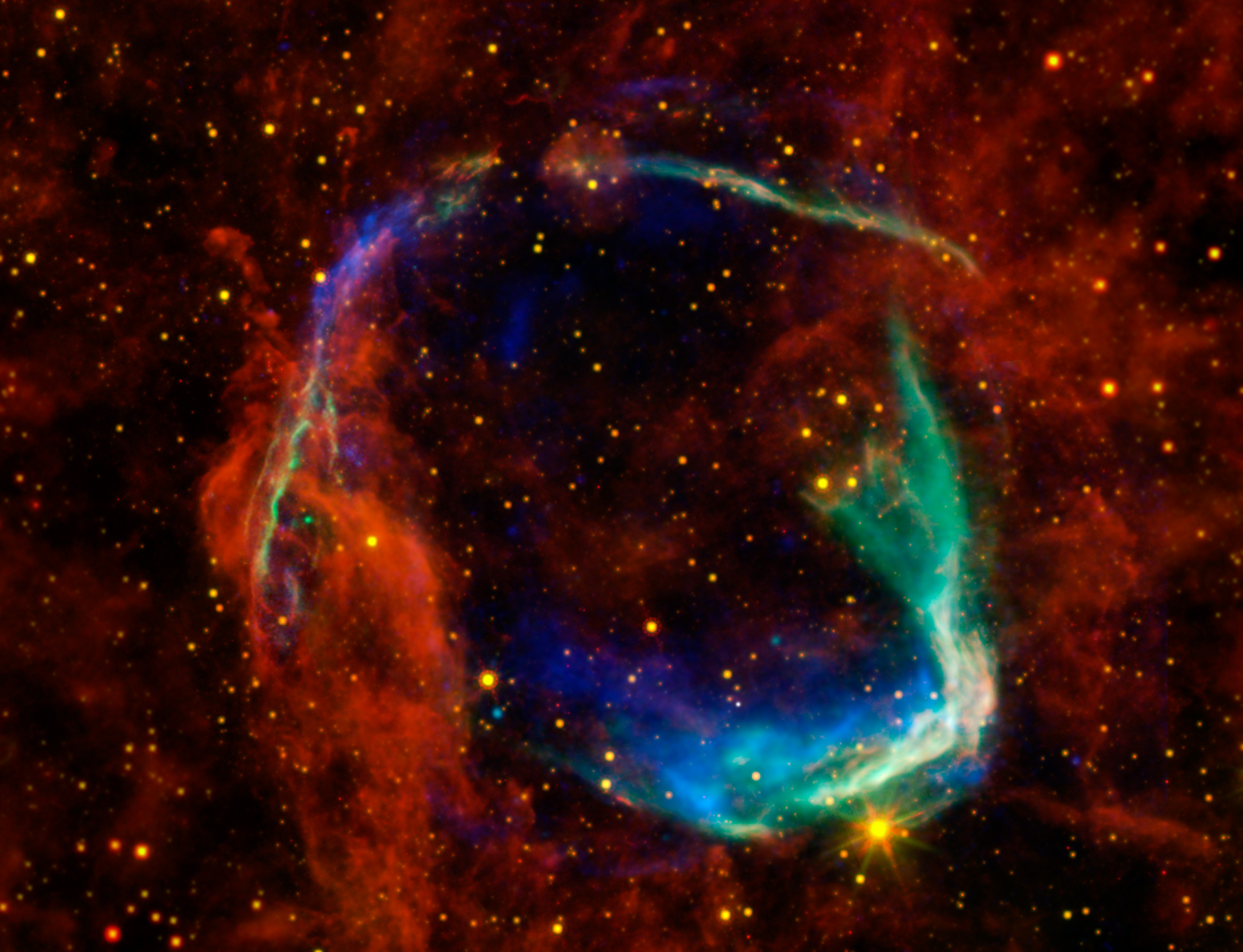
RCW 86 is thought to be a remnant of an exploding star that the Chinese discovered in 185 AD. There was some editing done to this photograph to show the different composition of the supernova. The blue and green are X-ray energies and the red and yellow are cooler temperatures in infrared. Because there is a lot of iron present in this supernova but not a neutron star, it suggests that it is a type Ia supernova (thermonuclear explosion that destroys a white dwarf star). RCW 86 is 8,200 light-years away and has a radius of about 50 light-years.
Friday, November 4, 2011
APOD 2.1
October Skylights (October 28)

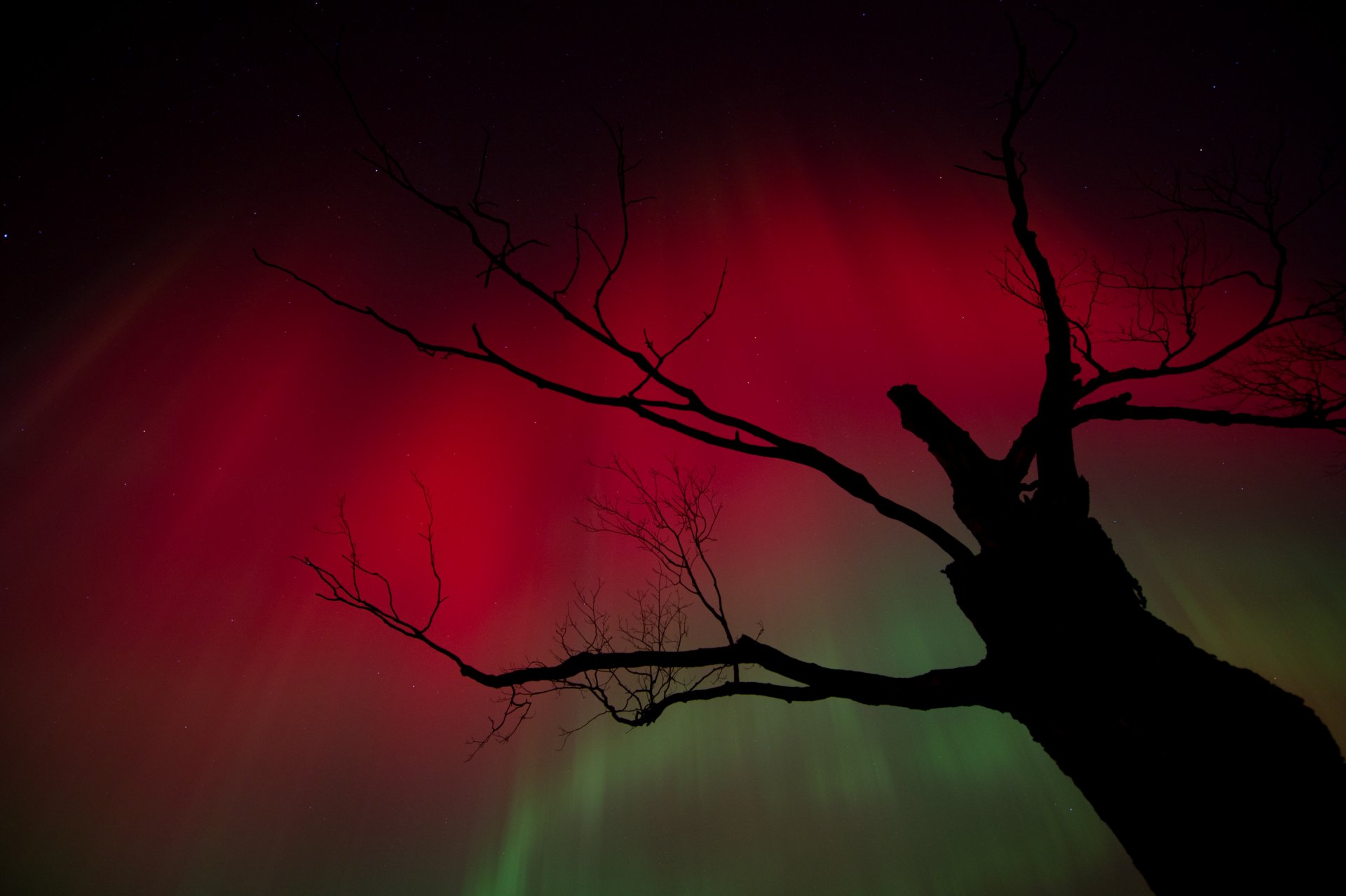
On October 24th, a coronal mass ejection (gas bubble explosion on the Sun which disrupts solar wind) impacted our magnetosphere, which caused this auroral display. This picture was taken near Whitby, Ontario, Canada but auroral activity was also noted as far south as Alabama. Aurora consist mostly of electrons that travel along the magnetic field lines. As they go to the upper atmosphere, they collide with various atoms and molecules, once they collide the atom or molecule stores this energy gained and becomes excited The red color in this picture comes from excited oxygen atoms (above 100 kilometers). The green color is from oxygen atoms that have returned to the ground state. This phenomenon surely makes for a good photo opportunity.
Sunday, October 30, 2011
Observations
10/23
During this observation session, several constellations were identified. One that I found particularly easier to find than the others was Sagittarius, probably because of the teapot. I was also able to see M11 again, which I think is pretty cool. One thing I was unable to spot was the Andromeda Galaxy, however, some of my friends had success at this. I also have gotten good at spotting Jupiter, and I now can recognize it even when I'm by myself.
Subscribe to:
Posts (Atom)